
How to Crochet for Beginners: Everything You Need to Know to Get Started
Learn how to crochet for beginners with this easy introduction! Discover what crochet is, basic supplies you will need to get started, common terms used in crocheting, and what to expect as you begin to crochet.
Some of the links in this post are affiliate links for Wal-Mart, Amazon, and Etsy. If you go through them to make a purchase, I will earn a small commission at no cost to you. Thank you for your support!
In a hurry? Pin this for later when you have more time!
Have you been thinking about learning how to crochet, but you aren’t quite sure where to start? Maybe you have seen ads for the Woobles kits or got inspired by a vendor at a craft show and want to make some cute stuffed toys, cuddly blankets, or hats of your own. If you want to learn how to crochet, you came to the right place!
I was in your exact situation a little over a decade ago when I decided that I wanted to learn. After hours of research and lots of YouTube videos, I figured out how to crochet, and I haven’t stopped! As a self-taught crocheter and a teacher, I want to make it easy for others to join in on this wonderful craft and find their way more easily than I did!
The great news is that you don’t need any crafting experience to learn how to crochet, and you don’t need a bunch of supplies or fancy kits to get started. All you need is a crochet hook, some yarn, and a little patience, and you can get started with crocheting and get on your way to finishing your first project!
If you’re completely new to crochet, you’re in the right place! This guide will walk you through what crochet is, what you need to get started, and what you can expect while you’re learning. It’s also the first part of my Beginner’s Guide to Crochet, where we’ll work our way from picking out your first crochet hook all the way to reading patterns and finishing projects!
What is Crochet?
Crochet is a fiber craft that uses a crochet hook and yarn to create fabric one stitch at a time. The word crochet comes from an old French word for hook. To crochet, you use the hook to catch the yarn and pull it through loops, creating different types of crochet stitches.
By combining stitches in different ways, you can make practically anything, including simple washcloths, scarves, blankets, bags, stuffed animals, clothing, and more.
One thing I love about crochet is how easy it is to work on the go! To get started, you just need a crochet hook and some yarn. Even without a pattern, you can still make something and be creative. Once you get some practice and understand some basic stitches and how to read patterns, you’ll have the foundation for a huge variety of projects.
How Does Crochet Work?
When you’re crocheting, you’ll usually have just one active loop of yarn on your hook at the end of each stitch. Getting started with crochet can vary depending on whether you are working in the round (making a circle) or working in rows, but once you have your first stitches or chains established, the process afterwards is similar.
For a single crochet (one of the most basic stitches), you will insert your hook into a stitch, wrap the yarn around the hook (called a yarn over), and pull the yarn through different loops to form a new stitch. By looping yarn before inserting your hook, pulling up different numbers of loops, and varying stitch placement, you can create all sorts of different stitches.
If those descriptions doesn’t make much sense yet, don’t worry! It is a lot easier to learn crochet when you have the hook and yarn in your hand and see pictures or videos explaining the process. We’ll go through the actual process step-by-step later in this series.
Crochet vs. Knitting: What’s the Difference?
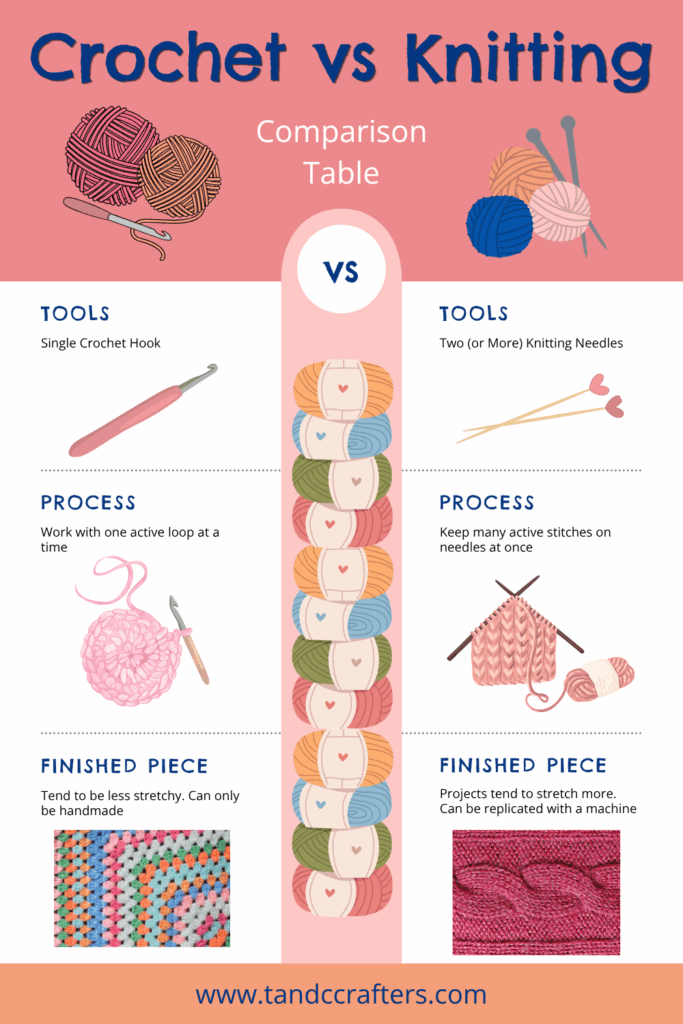
While a lot of people may think that crochet and knitting are interchangeable because they both use yarn to create fabric, there are actually a lot of differences. Most notably, crocheting involves one hook, while knitting involves two (or sometimes more) needles.
To crochet, you will use one hook in your dominant hand and use your non-dominant hand to hold your yarn and your project while you work. To knit, you will be using needles in both hands. For some projects, you will actually use additional needles.
The way your project is constructed is different, too. In crochet, you typically work with one active loop at a time. Knitting keeps many stitches active on the needles at once. This difference makes it pretty easy to set a crochet project down and come back to it later without worrying too much that you will mess up your project.
While not everyone can tell the difference between crochet and knit projects, the more you get used to them, you will be able to see some differences. In knitting, projects tend to stretch more like knitted fabric used for clothing. With crochet, there is less room for stretch.
One interesting fact that I love about crocheting is that unlike knitting, crochet can not be made using a machine. If you have ever seen a crocheted item, know that it was made by an actual human!
While a lot of people enjoy both knitting and crocheting, you do not have to know how to knit in order to crochet or vice versa!
Is Crochet Hard to Learn for Beginners?
Just like learning anything new, starting out crocheting can be a little tricky. It seems that some people can pick it up right away, while others may have to try a little more. Whether your first project is a piece of cake or a bit challenging, don’t worry! Everyone can learn to crochet given enough time and practice!
When you first pick up your hook, you are trying to do several new things at once. You’re holding the hook, controlling the yarn, figuring out where to insert the hook, remembering the steps of a stitch, and trying to keeping everything at a consistent tension.
That’s a lot for your hands and brain to coordinate!
Your first chain might be uneven. Your first square might mysteriously turn into a triangle. You might accidentally add stitches, lose stitches, or have absolutely no idea where the next stitch is supposed to go. Don’t worry – those are all normal parts of learning to crochet.
Instead of trying to make a perfect project right away, give yourself time to simply practice making stitches. Once your hands become familiar with the notions, you’ll have less to think about with each stitch and you can focus on perfecting your work.
There are different levels of crocheting patterns available. As you start out, you will want to focus on beginner-friendly patterns that use stitches you know. Only try to learn about one new stitch per pattern. The more difficulty you take on right at the beginning, the more likely you are to potentially burn out!
Do You Need to Be Crafty to Crochet?
Absolutely not!
Crochet is a learned skill just like riding a bike, shooting a basketball, and writing in cursive. You don’t need to be naturally artistic or have previous experience with other crafts like sewing, knitting, or other fiber arts in order to be successful with learning how to crochet.
Learning to crochet is mostly about learning a series of small techniques and practicing them until the movements become familiar.
What Can You Make with Crochet?
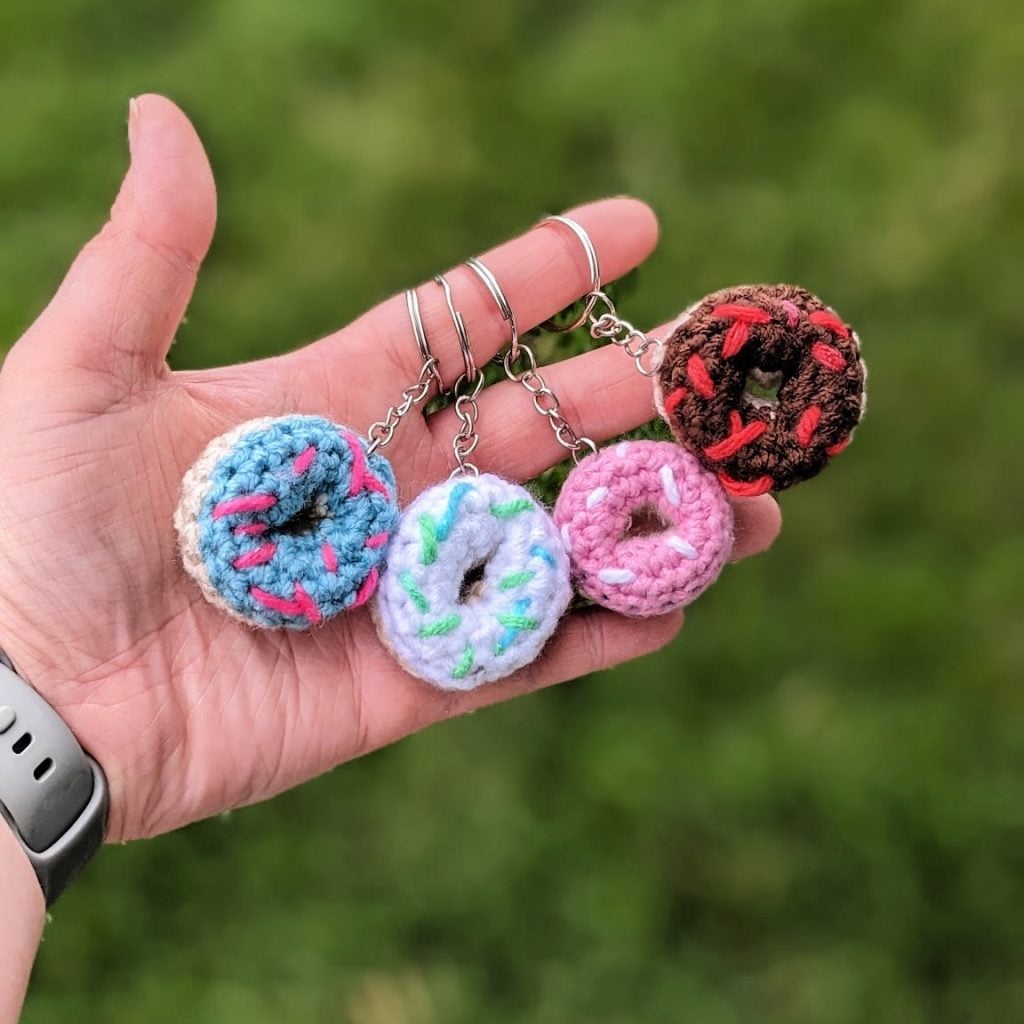
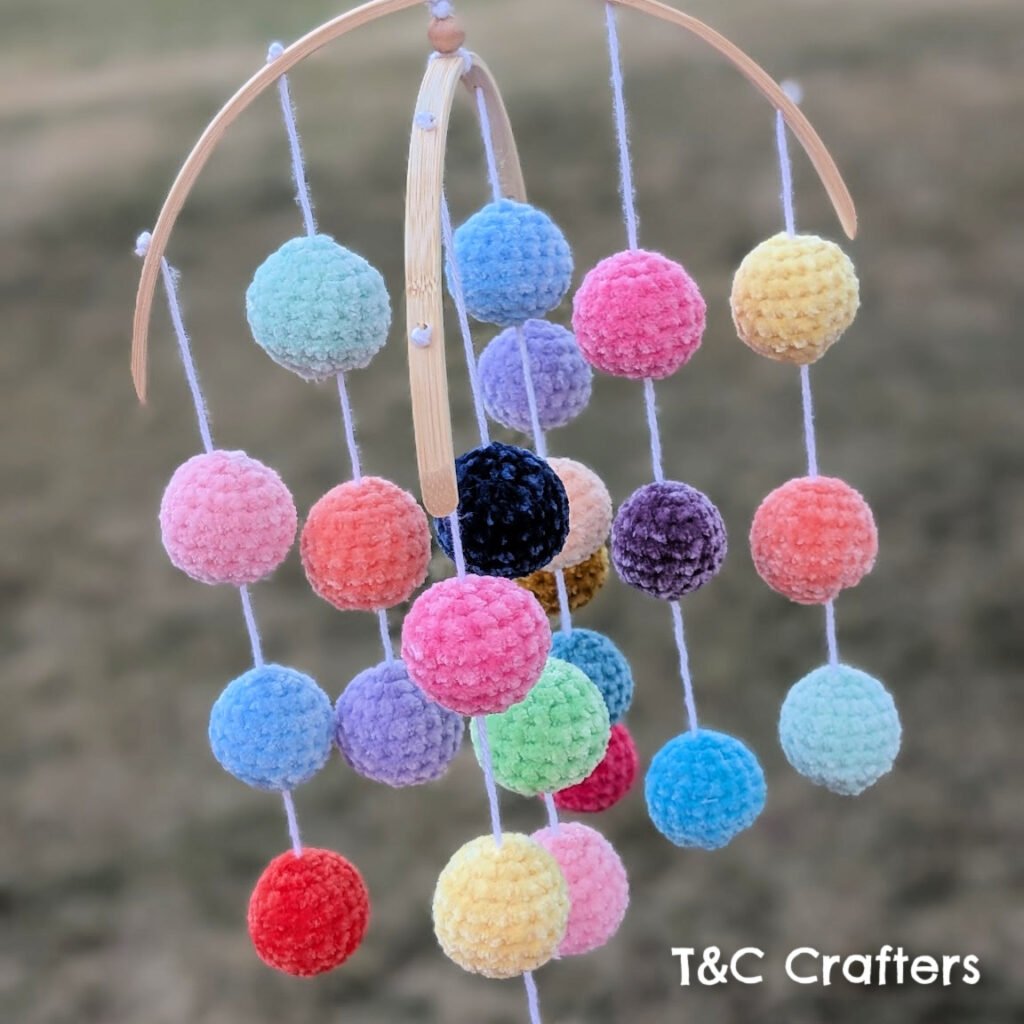
There are so many things you can make with crochet! From some of the common favorites like blankets, dishcloths, and stuffed toys to home decor, earrings, and clothing, the possibilities really are endless!
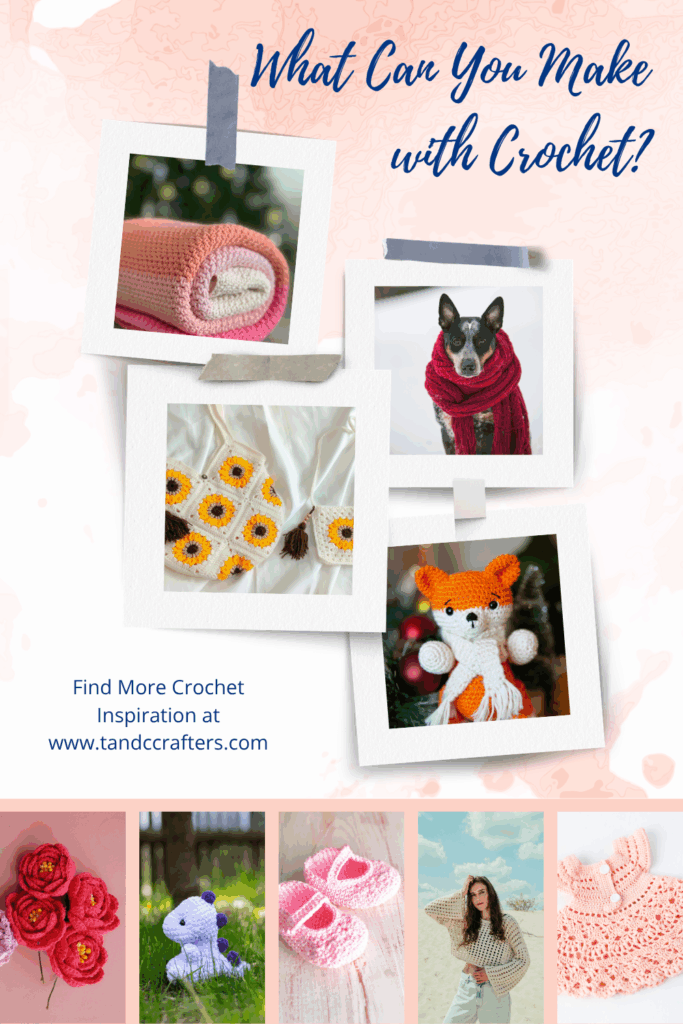
Crocheting essentially allows you to make anything that you can picture being made with fabric. Some popular crochet projects include:
- Blankets and afghans
- Scarves and cowls
- Hats and headbands
- Dishcloths and washcloths
- Bags and purses
- Sweaters and cardigans
- Baby items
- Home decor
- Coasters and potholders
- Stuffed animals and amigurumi
- Seasonal and holiday decorations




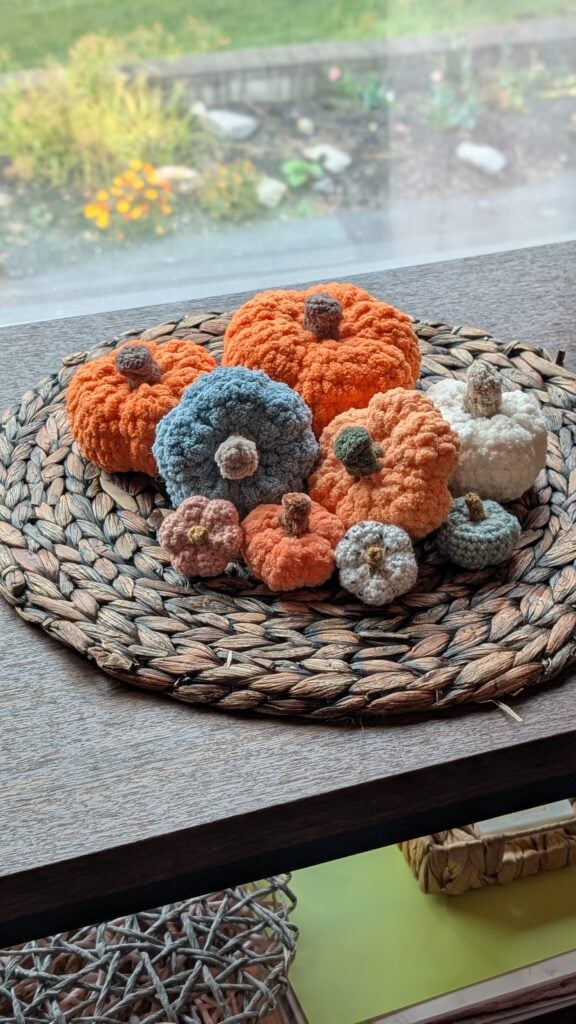

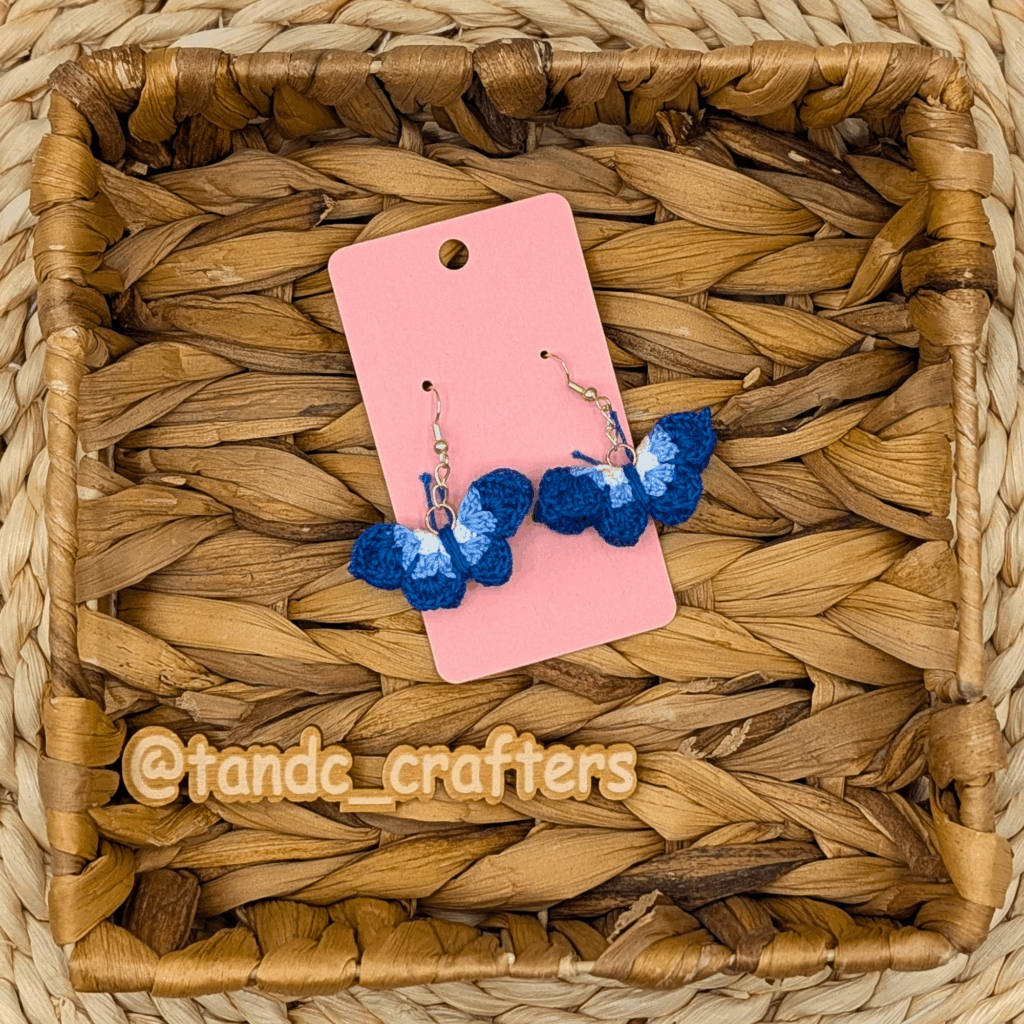
If you’re just starting out, however, I wouldn’t choose your first project based just on what looks the cutest. You want to look for a beginner-friendly pattern that has a simple stitch pattern, clear directions, and a limited number of stitches used. A small square or rectangular project like a washcloth, scarf, or baby blanket are a great place to begin.
Later in this series, we’ll look at easy crochet projects for beginners and how to choose a project that matches the skills you’ve learned.
How Long Does It Take to Learn Crochet?
The time it takes you to learn to crochet really depends on the individual. Some people can pick it up in a day or two, while others will take a lot longer to master basic stitches. While you shouldn’t necessarily expect to be able to crochet an entire afghan or sweater the first day of learning, there are patterns that I will show you in this series that will allow you to crochet something with basic stitches right away so you can feel accomplished as you learn!
Like with any new skill, the more you practice, the better you will get! While you may understand how to make a chain and basic stitches during your first practice session, getting those stitches to look consistent can take longer.
Common Crochet Terms Beginners Should Know
Crocheting comes with its own vocabulary, and reading a crochet pattern can sometimes feel like reading code or another language.
You don’t need to memorize everything before you begin, but there are a few terms you’ll see frequently that I’ll define for you now:
Chain (CH): a basic crochet stitch commonly used to create a project’s starting foundation
Stitch (ST): an individual crochet stitch
Single Crochet (SC): a short, basic crochet stitch that involves putting your hook into a stitch, doing one yarn over, and pulling the loops back through the stitch
Half Double Crochet (HDC): a stitch that is taller than a single crochet but shorter than a double crochet by using an extra yarn over at the start to add height
Double Crochet (DC): a taller basic crochet stitch that involves a yarn over before putting the hook into the stitch and a series of two yarn over and pull through sequences
Yarn Over (YO): wrapping the working yarn over your crochet hook
Row: a line of crochet stitches worked across your project
Round: a group of stitches worked in a circular shape rather than back and forth in rows
Gauge: a measurement of how many stitches and rows fit within a certain area of your crochet fabric – this measurement is not always necessary, but can be helpful for making your project the same size as the designer intended
Tension: how tightly or loosely you hold and work with your yarn
Fasten Off (FO): securing your final stitch so your project doesn’t unravel
You’ll learn these terms naturally as you practice, so don’t feel like you need to study them before getting started. You can come back to this list at any time to use as a reference!
What Do You Need to Start Crocheting?
One of the best parts about learning to crochet is that you don’t need to spend a lot of money on supplies or fancy kits to get started. You just need a few items to get the hang of crocheting!
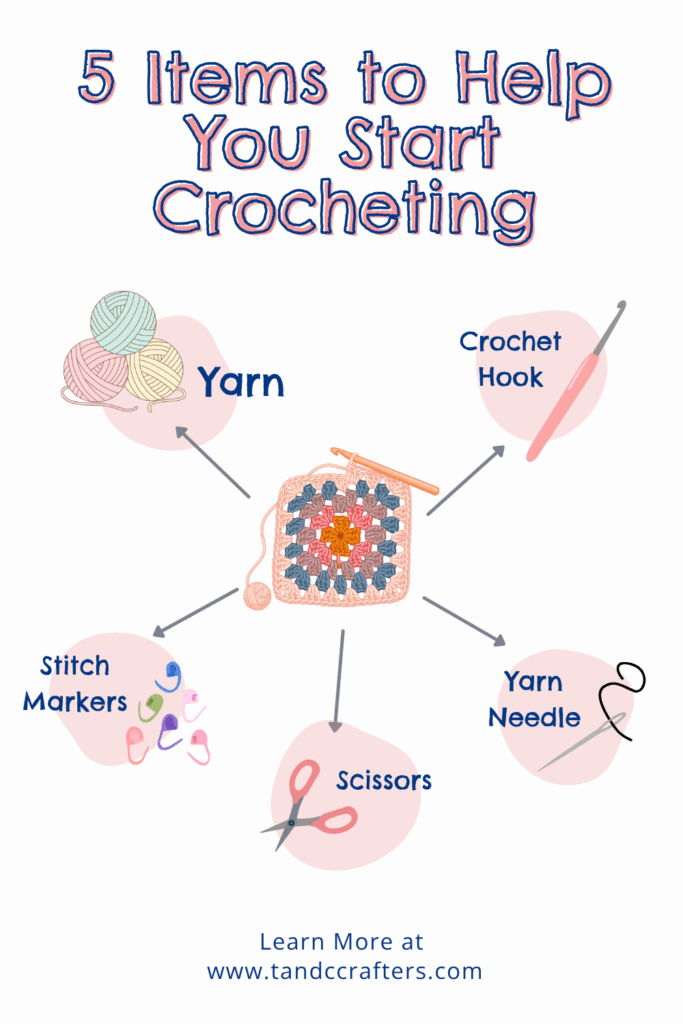
Yarn – I would recommend starting with a smooth, light-colored worsted weight (category 4) yarn.
Worsted weight yarn is a great size for beginners as it is large enough to work with comfortably without being too bulky. A solid, light-colored yarn will allow you to easily see your stitches as you work. When learning, it can be hard to work with yarn that separates easy, so you will want to work with yarn that doesn’t look like it will easily pull apart when you examine the ends.
Here are some great, beginner-friendly yarns I would recommend:
- Red Heart Super Saver – This is an inexpensive 100% Acrylic yarn that is easily found at most craft stores and is super durable. There are a lot of colors available to choose from.
- Hobby Lobby’s I Love This Yarn – This is a really soft 100% Acrylic yarn that you can purchase in-store or online from Hobby Lobby. It is durable and really nice to work with. There are a lot of color options for this yarn as well.
- Soft Classic by Loops and Threads – If you are shopping at Michael’s, this is a good acrylic option to try.
- Premier Basix Worsted Solids – Another great option that you can find in yarn shops, select craft stores, and online.
I would not recommend starting with bulky, cotton, or chenille yarn as a beginner. These can be difficult to work up, so you should move to these types of yarn after you feel more comfortable with basic techniques.
Crochet Hook – For worsted weight yarn, a H8/5.0 mm hook works great!
You could also use a hook slightly smaller or larger, but you don’t want to stray too far from that size.
My absolute favorite crochet hooks are Clover Amour Ergonomic hooks, however they can be a bit pricey. As a beginner, I would recommend starting out with a more basic hook. Here are some recommendations:
- Susan Bates Hooks – You can buy the plain hooks or the soft, ergonomic hooks. I love these because they are inline hooks, which can help with maintaining tension when starting.
- We Crochet Dots Hooks – This is a great, beginner-friendly ergonomic set that I love using. The longer handle helps with tension concerns while still getting you used to using a tapered hook.
Scissors – You will want to have a pair of scissors on hand when crocheting to cut any ends, but you don’t need to worry about purchasing a brand new pair. Any pair of scissors that are sharp enough to cut yarn will work.
Yarn Needle – A yarn needle is a large-eyed needle with a blunt end. A lot of beginner crochet kits will include plastic yarn needles, but I would recommend getting a steel needle as it will hold up better and be easier to use.
Stitch Markers – Stitch markers are used to keep track of specific stitches in your work. There is a difference between crocheting and knitting stitch markers. You will want to make sure you get stitch markers that you can open and close. While these are sometimes sold in large quantities, you only need a few to get started.
Measuring Tape – When you are following a pattern and trying to make your work the correct tension, you will need to measure gauge. Having a soft tape measure on hand works well for measuring lengths of swatches, scarves, blankets, and more. If you are sticking to small items, a small ruler could work as well.
What Comes Next?
I have so much more planned to share with you in this beginner crochet series! Here’s what you can expect to see coming soon!
- Crochet Supplies for Beginners: Everything You Need to Get Started
- How to Hold a Crochet Hook and Yarn
- Basic Crochet Stitches for Beginners
- How to Read Crochet Patterns for Beginners
- Crochet Techniques Every Beginner Should Know
- Beginner Crochet Mistakes (And How to Fix Them)
- Easy Crochet Projects for Beginners
Be sure to stay tuned as new parts of these series come available! Use the sign-up form below to make sure you don’t miss a thing!